
Low back pain is one of the most common—and frustrating—issues people deal with.
It’s also one of the most misunderstood.
There’s a lot that can go into someone’s “low back pain,” and it’s not always just a mechanical issue.
Things like:
- Sleep
- Stress
- Nutrition
- Training load
All play a role.
Understanding what’s going on in your specific case is important—but even with all that, one of the most consistent and effective tools we have is: Exercise
Exercise Is One of the Best Tools for Low Back Pain
For many people with low back pain, an appropriate exercise plan can help with:
- Reducing pain
- Improving movement
- Building confidence in daily activity
But here’s where people get stuck:
Exercise for low back pain is not one-size-fits-all.
What works for one person may not work for another.
The Right Exercise Depends on You
Different people need different things.
Some common examples:
- Some people need more mobility work
- Some need more hip strength
- Some need more core and spinal stability
- Most need a combination of all three
The key is figuring out:
- What your body is lacking
- What’s contributing to your pain
- Where to start
That’s where specificity matters.
Why a Customized Plan Matters
This is why random exercises from the internet often don’t solve the problem.
You need someone who can:
- Look at your body as a whole
- Understand your history
- Take your lifestyle into account
- And build a plan specific to you
Not just give you a list of generic “low back exercises.”
How We Approach Low Back Pain at Excel
At Excel SPT, we start with a conversation.
We want to understand:
- What you’re dealing with
- What you’ve already tried
- Where you want to get back to
From there, we build a plan that may include:
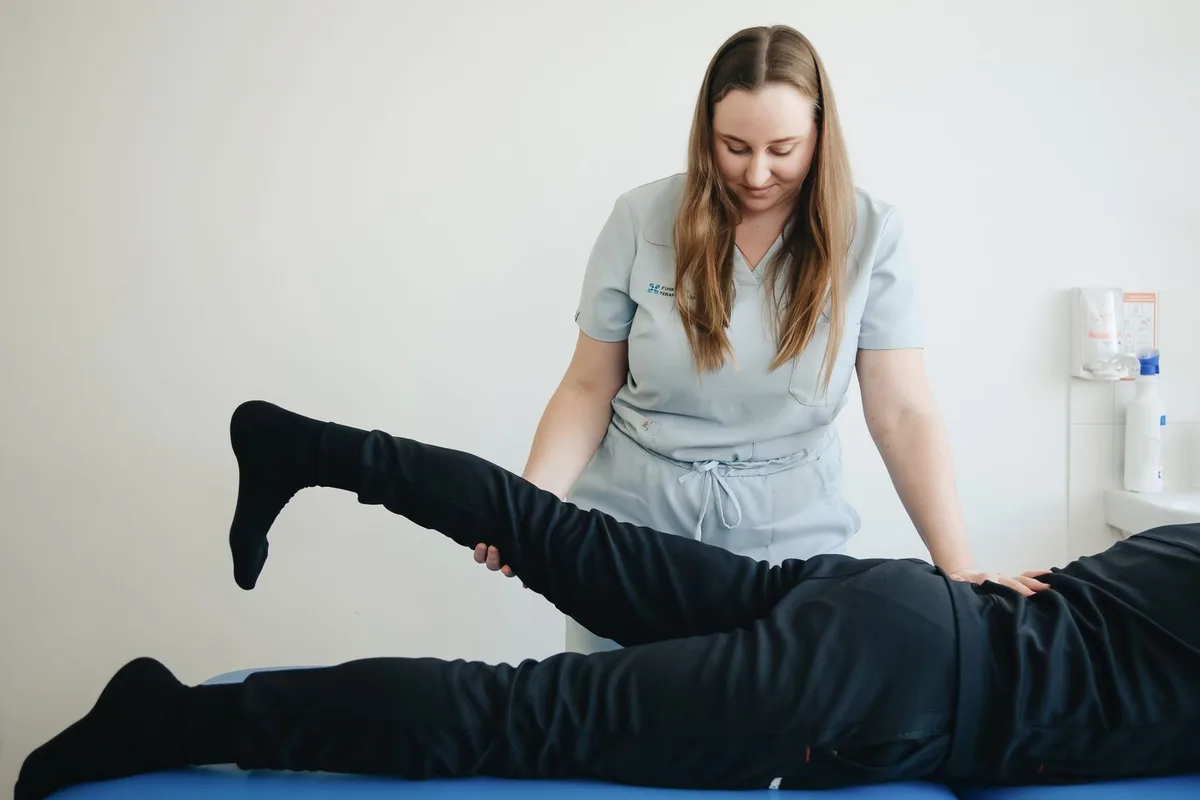
- Hands-on treatment (adjustments, dry needling, cupping)
- Targeted mobility work
- Strength and stability training
- A clear exercise plan tailored to your needs
Everything works together with one goal:
👉 Reduce pain and keep it from coming back
How should you start exercising with low back pain?
Whether you:
- Already train regularly
- Or haven’t exercised in a while
Start at a level that fits your symptoms and abilities. Build up gradually, and seek advice if symptoms worsen.
The goal isn’t to do more—it’s to do what’s right for you.
Conclusion
Low back pain can feel complicated—and sometimes it is.
But the path forward usually comes down to:
- Understanding your body
- Addressing the right limitations
- And using exercise the right way
When those pieces come together, things start to improve.
Need Help With Low Back Pain in Nashville?
If you’re in the Nashville area and dealing with low back pain, you don’t have to guess your way through it.
At Excel SPT, we help you:
- Move better
- Get out of pain
- And stay consistent without setbacks
Explore focused rehabilitation or what to expect at your first visit. If you are wondering about scans, read when imaging may help with low back pain.
Guidance on activity and exercise
NICE recommends choosing exercise around a person’s needs, preferences, and capabilities. The NHS back pain guide also explains staying active and when to seek care.