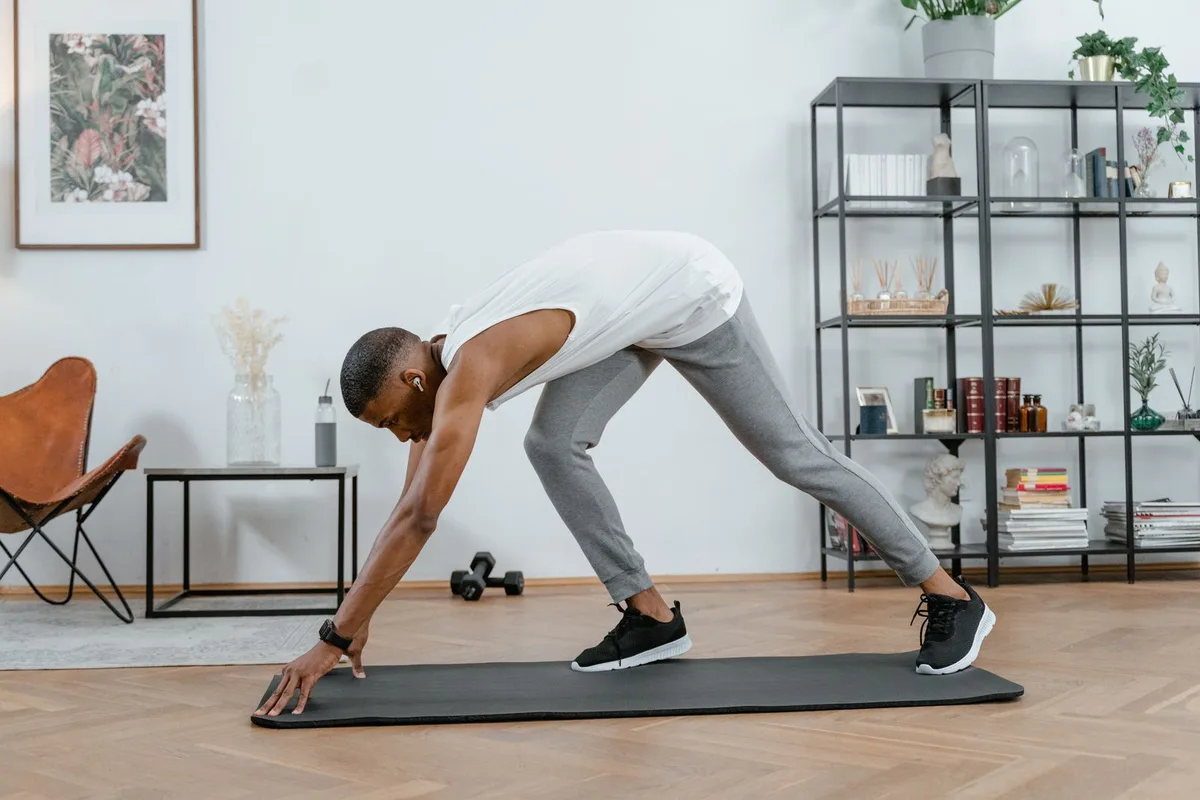
Stretching is a huge part of staying healthy and performing well.
But a common frustration I hear from both golfers and jiu-jitsu athletes is:
“I stretch all the time… so why am I still in pain?”
If that’s you, you’re not alone. And most of the time, it comes down to a few key things.
1. Pain Is More Complex Than Just “Tight Muscles”
Pain isn’t always just mechanical.
There are a lot of factors that play into it:
- Normal tissue healing timelines
- Training load and recovery
- Lifestyle habits (sleep, stress, daily movement)
- Previous injuries
You can spend hours going down the rabbit hole trying to understand pain—and still not have a clear answer.
So here’s the simple takeaway:
Pain is complex.
Give yourself some grace. Your body isn’t meant to feel perfect all the time, and stretching alone isn’t always enough to solve the problem.
2. You Might Not Be Stretching the Right Thing (or the Right Way)
This is one of the biggest issues I see.
Most people:
- Find 2–3 stretches online
- Do them consistently for a few weeks
- Then assume “stretching doesn’t work”
But every stretch is designed to target something specific.
If your technique is off—or if you’re stretching something that doesn’t actually need to be stretched—you’re not going to get results.
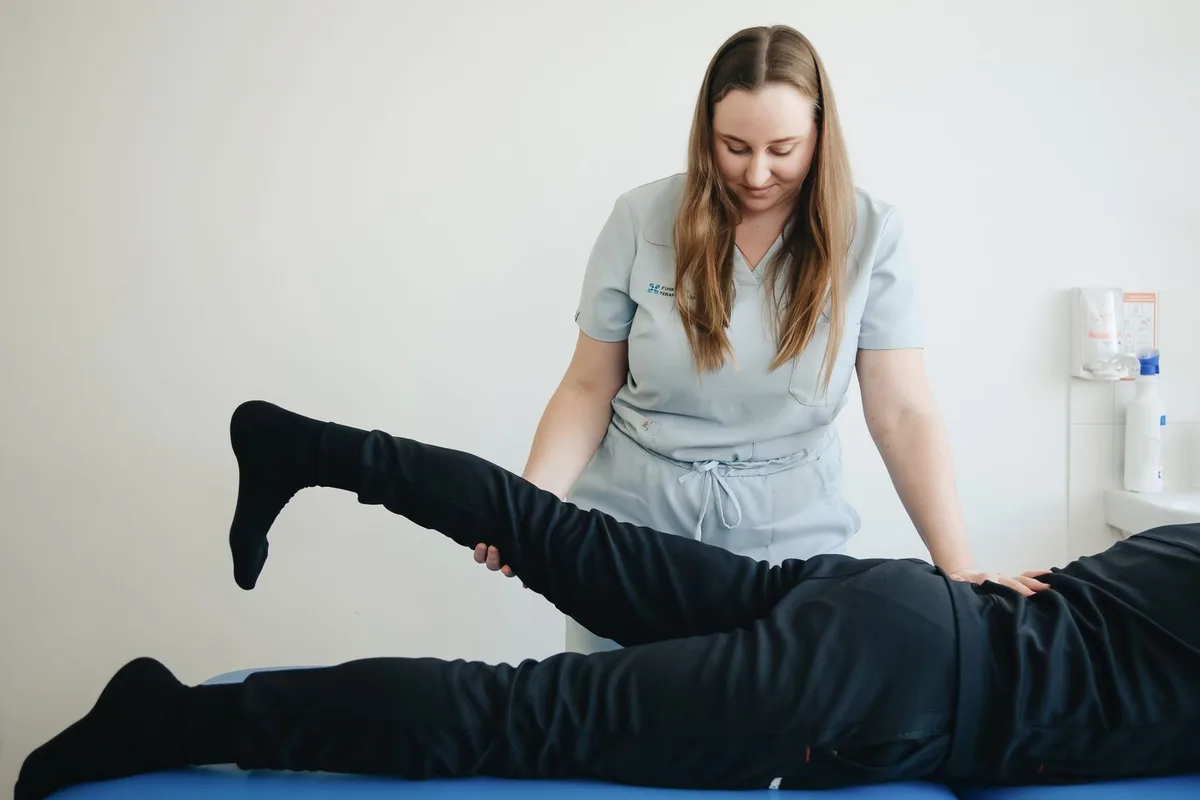
That’s where a detailed movement assessment comes in.
It’s also why I start every visit with a full-body movement screen:
- To understand where your body actually lacks mobility
- To identify compensations
- To stop guessing and start being specific
3. Stretching Is Only One Piece of the Puzzle
Stretching is important—but it’s only one side of the equation.
The other piece is strength.
Improving flexibility and building strength through that range can be complementary goals. Greater flexibility alone does not explain or resolve every pain problem.
Some of the best “stretching” actually happens under load.
Example:
Most people have done a calf stretch on a step:
- Heels hanging off
- Feeling a good stretch
That’s great—keep doing it.
But if you really want to improve your calf mobility and reduce pain:
A calf raise can train strength through a comfortable range of motion. The appropriate load and repetitions depend on your symptoms and current capacity; ask your clinician or coach how to progress it.
Now you’re doing two things:
- Improving flexibility
- Building strength in that range
This combines mobility practice with strength work. Your response will guide progression.
Conclusion
If it feels like your stretching isn’t working, it doesn’t mean you’re doing something wrong—it usually just means you’re missing a piece.
It could be:
- The complexity of pain
- Targeting the wrong area
- Or not pairing mobility with strength
The good news is most people aren’t that far off—they just need a more specific plan.
Need Help Figuring It Out?
If you’re in the Nashville area and tired of guessing, I help golfers and jiu-jitsu athletes:
- Move better
- Stay pain-free
- And perform at a higher level
Learn about focused rehabilitation and your first visit to see how we build a plan around you.
Why combine mobility and strength?
The American Academy of Orthopaedic Surgeons’ hip conditioning guide includes both strengthening and stretching, with exercises selected under clinical guidance. It is one example of combining these approaches; persistent pain still needs individual assessment.